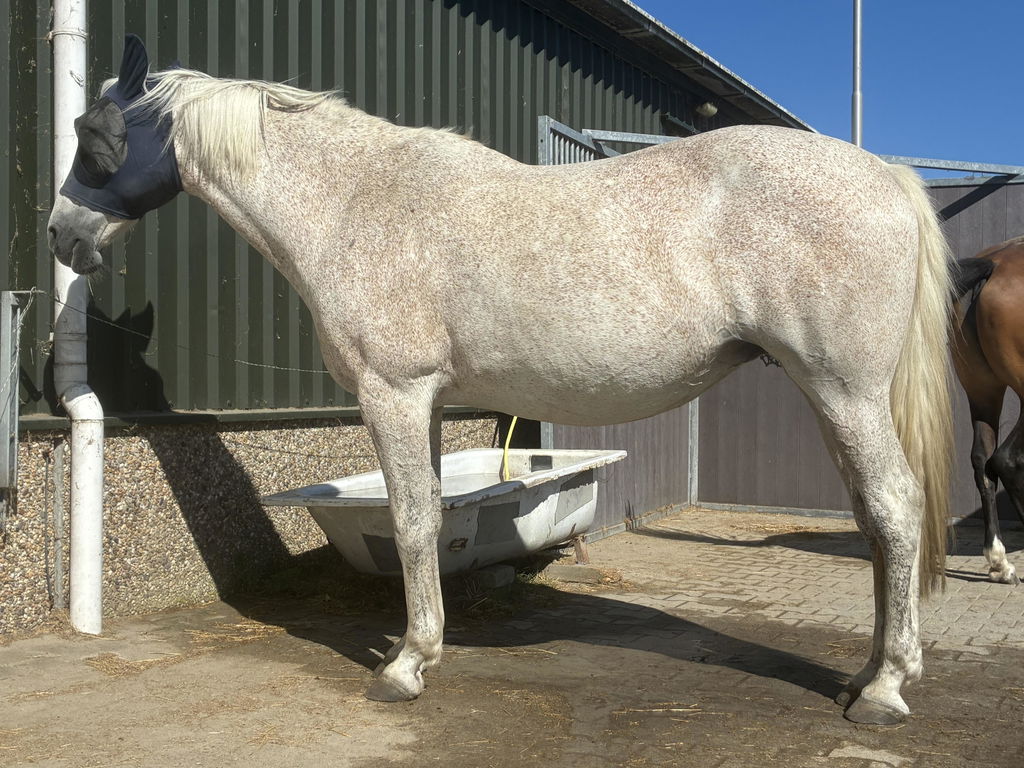

The bag is open, the new feed smells promising, and your horse is waiting at the stable door as usual. It is tempting to replace the old ration at the next meal. But when you introduce new horse feed, the change deserves a little more patience - especially in late fall, when turnout, forage batches, workload, and routines often shift at the same time.
A horse’s digestive system is designed around steady forage intake. The microbes in the hindgut need time to adapt to a different nutrient supply, whether you are changing a balancer, adding a supplement, switching from a concentrate to a forage-based ration, or simply opening a new product. A gradual transition gives you the best chance of seeing how the horse responds and of recognizing which change actually made a difference.
Start with the reason for the change
Before changing anything, be clear about what you want the new feed to contribute. Is your horse losing condition as the weather turns colder? Are you looking for a vitamin and mineral balance because hay now makes up more of the ration? Has your veterinarian advised a review after loose droppings, suspected gastric discomfort, laminitis, muscle stiffness, or a diagnosis such as PPID or EMS?
The answer matters because the right feed for one horse may be unnecessary or unsuitable for another. A horse in light work on good-quality hay needs a different ration from a sport horse in regular training, a growing youngster, or a pony that gains weight easily. Feeding starts with the whole ration, not with the product label alone.
I encourage owners to first write down the basics: body weight or a realistic estimate, the amount and type of forage offered, pasture access, workload, salt, current feeds, and any health history. This makes proper feeding clear again. It also prevents a common mistake: adding a new product while leaving an unbalanced or overly energy-rich base ration unchanged.
Forage should remain the foundation. Most horses need enough suitable roughage spread over the day and night to support normal chewing behavior and digestive function. If forage intake is limited, a new supplement cannot compensate for that basic gap.
How to introduce new horse feed step by step
For a healthy adult horse, allow around seven to 14 days for a planned feed transition. The exact pace depends on how large the change is and how sensitive the horse tends to be. A small adjustment to a vitamin and mineral balancer may require less adaptation than replacing a substantial concentrate ration.
Begin by offering a small amount of the new feed alongside the existing ration. For the first few days, this may be about one-quarter of the intended new amount. If manure, appetite, behavior, and comfort remain normal, increase to about half, then three-quarters, before reaching the full amount. Reduce the old feed in the same gradual way if it is being replaced.
Keep the rest of the routine as steady as possible during this period. Do not introduce a new hay batch, change the feeding schedule, increase training sharply, and add several supplements all in the same week if you can avoid it. If the horse reacts differently, you need to be able to identify the likely cause.
Some changes call for more caution. A horse with a history of loose droppings, feed-related sensitivity, recurring digestive concerns, or metabolic challenges may do best with a slower transition and closer observation. If a horse has acute pain, signs of colic, marked diarrhea, refuses feed, or seems unwell, contact your veterinarian promptly. Feed changes are not a substitute for diagnosis.
Watch the horse, not only the bucket
During the transition, look beyond whether the horse finishes the meal. Check manure consistency and frequency, appetite for forage, water intake, demeanor, body condition, and willingness to work. A horse may happily eat a new feed and still show that the ration is not quite right through changes in droppings, excessive excitability, fading condition, or reduced recovery.
In my practice I often see owners change feeds because the horse seems unsettled, only to find that the real issue is inconsistent forage availability. One horse may be spending more hours without hay overnight as the yard’s winter routine begins. Another may receive a very different haylage batch without the ration being adjusted. In both cases, the most useful first step is to look at forage quantity, hygiene, and feeding intervals.
A mare I advised had loose droppings after her owner changed both her concentrate and her mineral supplement when autumn turnout ended. We simplified the ration, kept her forage consistent, and introduced one product at a time in small amounts. That made it possible to see what she tolerated well and to build a ration that suited her workload without unnecessary extras.
Consider the nutritional trade-offs
Not every “new feed” belongs in the same category. A balancer is designed to supply vitamins, minerals, and trace elements in a small daily amount. A supplementary feed may provide targeted nutritional support. A concentrate may contribute energy, protein, and other nutrients in a larger volume. Treating all of these as interchangeable can create either gaps or excesses.
For example, adding a mineral product on top of a complete fortified feed can lead to duplication of certain nutrients. On the other hand, removing a concentrate from an easy-keeping horse may be a sensible decision, but only if vitamins, minerals, protein quality, and any specific needs are reviewed. “Less feed” is not automatically a complete ration.
Horses with insulin resistance, EMS, PPID, or a history of laminitis need particular attention to the total sugar and starch contribution of the ration. For these horses, changes should be made with the veterinarian’s guidance where appropriate, and forage analysis can be especially helpful. A horse with muscle concerns such as PSSM or tying up may also need an individual assessment of energy sources, protein, electrolytes, workload, and management. There is no single bucket solution for a diagnosis.
This is the principle behind The New Feeding Concept: first meet the horse’s natural need for roughage, then identify and fill the genuine nutritional gaps rather than building the ration around large meals. You can read more about that approach in my book here: https://equilin.eu/en/products/the-new-feeding-concept-english
Make changes workable at the barn
A feeding plan only helps if everyone caring for the horse can follow it. Write the daily amounts clearly in grams or scoops that have been measured once, rather than using a vague instruction such as “a little.” If your horse is on part board or at a busy yard, place the transition schedule where each person can see it.
Keep feeds dry and stored according to the label instructions. Use a clean scoop, and check that a horse with dental issues can comfortably chew the ration. For older horses, those with poor teeth, or horses that bolt their feed, the form and texture of a product can matter as much as its ingredients. Soaking or splitting a meal may be helpful in some cases, but follow the product guidance and do not leave soaked feed standing for long.
If you are adding a targeted supplement, avoid expecting an overnight difference. Nutrition works within the wider picture of forage, health status, turnout, stress, training, hoof care, and veterinary support. Give the horse time, keep notes, and review whether the original feeding goal is being met.
When a slower transition is the wiser choice
There are times when “start low and go slow” should be more than a general rule. Horses recovering from illness, dealing with dental changes, returning to work, moving barns, or adjusting from pasture to a winter forage routine have several pressures on their system at once. Holding the ration stable for a few days before making another change is often kinder and more informative.
The same applies to horses that are underweight. It is understandable to want rapid improvement, but large concentrate meals can work against digestive comfort and do not address the reason for weight loss. Review forage access, dental health, parasite control, pain, workload, and veterinary findings alongside the ration. Then increase nutritional support in a measured way.
A thoughtful feed transition is not complicated, but it is deliberate: keep forage central, alter one thing at a time, and let the horse’s response guide the next step. If you would like help assessing your horse’s current ration and introducing a new feed with confidence, request personal nutritional advice at https://equilin.eu/en/pages/nutritional-advice