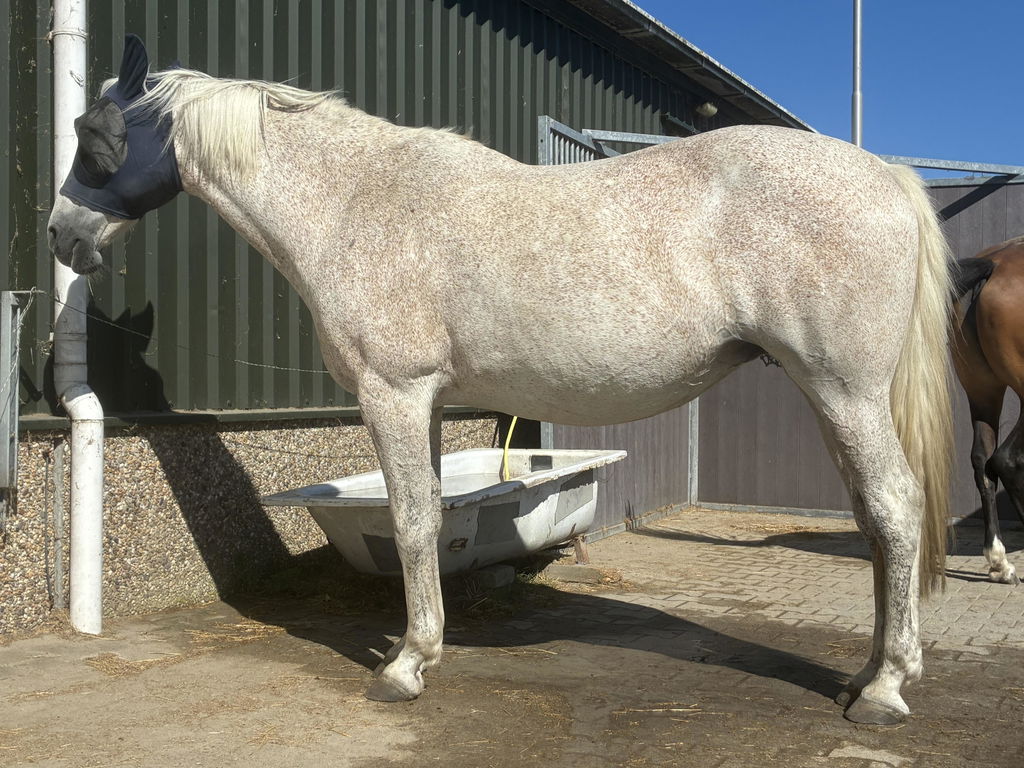

A feed bill can rise quietly. One extra scoop for shine, another for calm behavior, a different bag for winter condition, and suddenly the feed room contains more products than the horse’s ration requires. Equine feed budgeting is not about feeding the least expensive diet possible. It is about directing your budget first toward what a horse truly needs, then making thoughtful choices about where targeted support has a place.
For most horses, the strongest budget starts with the same principle that supports sensible daily feeding: roughage comes first. When forage quality, forage quantity, and the base ration are clear, it becomes much easier to see what is worth buying and what may simply be adding cost and confusion.
Start Equine Feed Budgeting With the Base Ration
Before comparing prices on bags, define what your horse eats in a normal day. Include hay, haylage, pasture, concentrates, balancers, supplements, treats, and anything fed inconsistently but often enough to matter. Small extras can be surprisingly expensive over a month, especially when several people share feeding duties.
The first line of the budget should be roughage. A horse’s daily ration should be built around adequate forage, with the amount adjusted for body weight, workload, turnout, forage analysis where available, and individual needs. Cheap forage that is poorly stored, dusty, inconsistent, or wasted in the stall is not necessarily economical. A reliable forage source can reduce avoidable losses and provides a more dependable foundation for the rest of the ration.
Next, look at concentrates. Ask what job they are doing. Some horses need additional energy to maintain appropriate condition or meet the demands of work. Others are receiving a traditional grain or mix out of habit, even though their forage intake and body condition suggest a lower-intake ration would be more suitable. There is no universal answer. The useful question is whether each feed has a clear purpose for that individual horse.
A forage analysis can be a worthwhile expense when forage is purchased in volume or when several horses are fed from the same supply. It gives you more than a protein or sugar number. It helps you make decisions with less guesswork, which can prevent spending on products intended to compensate for a problem that is not actually present.
Calculate Cost Per Day, Not Cost Per Bag
The price printed on a bag tells only part of the story. To compare feeds fairly, calculate the daily cost at the recommended feeding rate for your horse. A less expensive bag may require a larger daily amount. A concentrated balancer may cost more per pound while costing less per day because the serving is smaller.
Use a simple worksheet or notes app and record the product, bag weight, bag price, daily amount, and daily cost. Then add a column labeled “purpose.” If you cannot explain the purpose in one clear sentence, pause before automatically reordering it.
For example, a product may be used to provide vitamins and minerals that are not reliably supplied by forage and a low level of concentrate. That is a specific role. By contrast, feeding several overlapping products because each has a broad wellness message makes it harder to understand the total ration and easier to overspend.
Do not forget delivery charges, storage losses, and spoilage. Bulk purchasing can reduce the unit cost, but only if you have dry, secure storage and will use the product before quality declines. Buying a large quantity because it was discounted is not a saving if it becomes stale, damp, contaminated, or unsuitable for the horse’s needs a few months later.
Separate essentials from optional additions
A practical budget has three categories: base ration, targeted nutrition, and convenience purchases. The base ration includes forage and the feeds necessary to provide appropriate energy and essential nutrients. Targeted nutrition includes products selected for a defined life stage, workload, or feeding challenge. Convenience purchases include treats, frequent feed changes, duplicate products, and items bought without a feeding plan.
This is not a judgment against treats or enjoyable feed-room extras. Feeding should remain manageable and pleasant for both horse and owner. The distinction simply reveals where reductions can be made without compromising the structure of the ration.
Avoid the False Economy of Underfeeding
Cutting a feed budget by reducing forage or removing the nutrient-dense part of a carefully planned ration can create a false economy. The horse may receive fewer nutrients than intended, while the owner may later add several separate products in an effort to fill the gap. A ration that looks cheaper on paper is not automatically a better value.
The opposite can happen, too. More products do not always mean more complete nutrition. Overlapping supplements may duplicate nutrients, complicate intake, and raise the cost of the ration without a clear benefit. A measured, forage-first approach is usually easier to manage than a long list of scoops.
Annette’s book, The New Feeding Concept, offers a useful framework for thinking from the horse’s natural roughage needs outward rather than starting with a shelf of add-ons. That order matters in budgeting. First secure the foundation, then identify what the foundation does not provide, and only then choose a suitable addition.
Build a Budget for the Horse in Front of You
Feed budgets should change as the horse changes. A growing youngster, a breeding mare, an older horse, a horse returning to work, and an easy keeper at maintenance do not belong in the same feeding plan. Seasonal changes in pasture, temperature, workload, and forage supply can also alter both the ration and its cost.
Review the plan at regular intervals instead of waiting for the feed room to run empty. Track body condition, weight trends where possible, workload, appetite, manure consistency, coat quality, and overall demeanor. These observations do not replace professional advice, but they help you notice whether the current ration still fits the horse.
When a change is needed, make one purposeful adjustment at a time whenever practical. Changing forage, concentrate, and supplements all at once makes it difficult to see what has changed and can lead to unnecessary purchases. A gradual, recorded approach protects both your horse’s routine and your budget.
Choose targeted products with a clear role
A balancer or supplement can be a sensible part of a feed budget when it fills a defined gap in a low-concentrate, forage-led ration. The key is to select based on the horse’s complete diet, not a single marketing promise or a recommendation that worked for another horse.
Equilin’s approach is centered on making proper feeding clearer again: start with roughage, assess the base ration, and use concentrated nutrition where it has a genuine function. For some owners, a starter package can also be a practical way to introduce a structured plan without purchasing several full-size products before they understand daily use and acceptance.
If your horse has a complicated feeding history, marked changes in condition or appetite, or special management needs, involve your veterinarian or a qualified equine nutrition professional. A short, informed review can be more cost-effective than months of trial-and-error buying.
Make the Budget Easy to Follow
The best feeding budget is one that everyone caring for the horse can follow. Write feeding amounts in weights rather than vague scoops whenever possible, label containers clearly, and keep a current ration sheet in the feed area. If a product is finished, record the date and note whether it will be replaced, adjusted, or removed.
Set a monthly feed budget, but review it across a season. Winter forage use, show schedules, pasture availability, and changes in work can make one month look unusually high or low. Looking at a longer period gives you a fairer picture and helps you plan purchases before they become urgent.
A good budget does not ask, “What is the cheapest way to feed my horse?” It asks, “What does this horse need consistently, and how can I provide it responsibly?” When each item in the feed room has a purpose, spending becomes easier to manage and the daily ration becomes easier to trust.