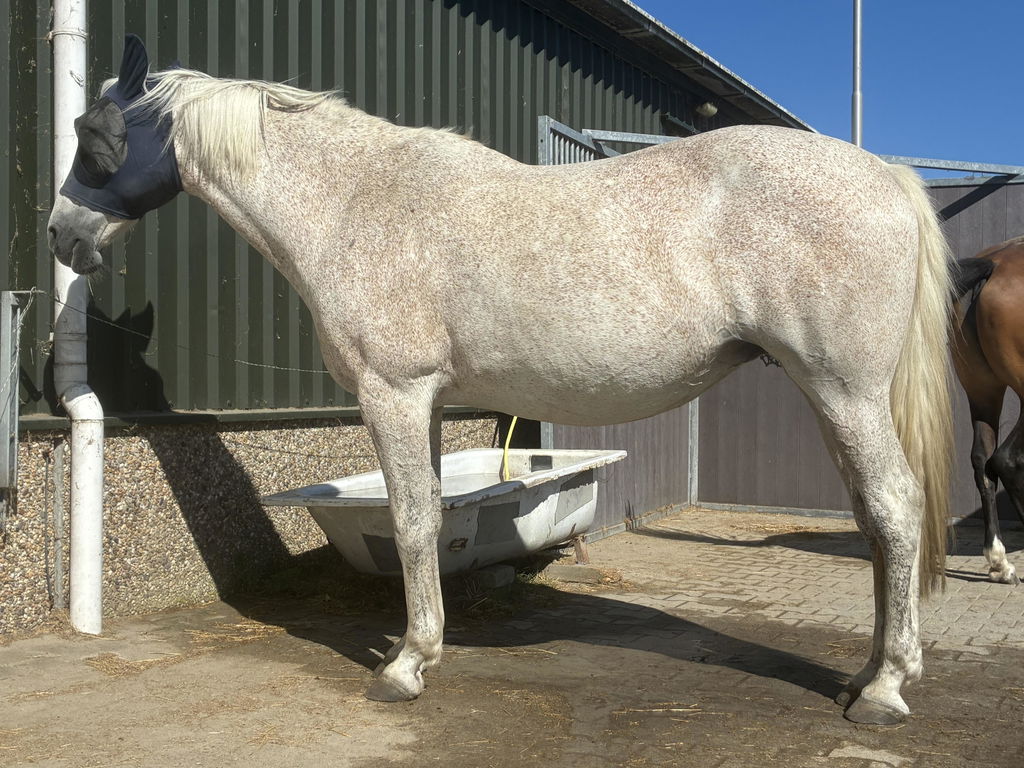

A horse can look well fed and still have a ration that is incomplete. That is why the choice of vitamin balancer versus minerals deserves more attention than a quick look at the feed room shelf. The right option depends on the forage, the amount of concentrate fed, your horse’s workload and life stage, and what is already present in the daily ration.
The aim is not to add as many products as possible. It is to build a clear, forage-first feeding plan that supplies what your horse needs without creating unnecessary overlap.
What Is the Difference Between a Vitamin Balancer and Minerals?
A mineral supplement primarily supplies minerals. Depending on the product, these may include macro minerals such as calcium, phosphorus, magnesium, and sodium, alongside trace elements such as zinc, copper, manganese, iodine, and selenium. Minerals play many roles in a normal ration, including supporting ordinary body functions, tissue maintenance, and nutrient metabolism.
A vitamin balancer is usually broader. It commonly combines essential vitamins with minerals and trace elements in a concentrated daily serving. Some balancers also contain amino acids, yeast products, or other nutritional components, but the formula varies by brand. A balancer is designed to fill common nutritional gaps when forage and a modest amount of concentrate form the foundation of the diet.
That distinction matters because “balancer” is not a single standardized recipe. One vitamin balancer may be suitable for a horse receiving only hay and a small bucket feed, while another may be intended for horses on a more specific ration. The label, feeding rate, and total diet always matter more than the category name.
Vitamin Balancer Versus Minerals: Which Does Your Horse Need?
For many adult horses, a vitamin and mineral balancer is the more practical starting point when they receive predominantly forage and little or no fortified concentrate. Hay, haylage, and pasture remain the basis of a horse’s diet, but their nutrient values can vary considerably by field, season, harvest stage, and storage. A forage-based ration may provide plenty of energy for an easy keeper while still falling short in selected trace elements or vitamins.
A mineral-only product can make sense when the horse’s existing ration already provides suitable vitamin levels but needs a more focused mineral adjustment. This may be the case when a forage analysis identifies a clear imbalance, when a horse is already receiving a fortified feed, or when an equine nutrition professional has calculated the ration.
The decision is less about choosing the “best” product and more about avoiding two common problems: leaving genuine gaps unaddressed and layering several fortified products on top of each other.
When a balancer is often a sensible choice
A balancer may suit horses who maintain weight easily, receive a small amount of concentrate mainly to carry supplements, or have a ration built largely around hay or pasture. It can also make daily feeding simpler for owners managing several horses with different calorie needs but a shared forage base.
This approach is especially useful when reducing bucket feed is appropriate for the horse’s condition. Instead of feeding extra concentrate simply to provide vitamins and minerals, a concentrated balancer can deliver these nutrients in a small daily amount while forage remains the center of the ration.
When minerals may be the better fit
A targeted mineral product may be appropriate if you know what needs correcting. A forage analysis is particularly valuable here. It provides more useful information than guessing based on hay color, smell, or the horse’s appearance alone.
Minerals can also fit a carefully designed ration in which vitamin intake is already covered by another feed. However, a mineral supplement should not be selected solely because it sounds simpler. If it does not provide vitamins that are limited in the current diet, it may not fully meet the horse’s needs.
Start With the Whole Ration, Not the Supplement Tub
The most reliable way to compare a vitamin balancer and minerals is to first write down everything the horse eats in 24 hours. Include pasture, hay or haylage, bucket feed, treats, salt, oils, mash, and every supplement. Amounts matter. A handful of fortified pellet feed is not the same as the manufacturer’s recommended daily serving.
Then consider the horse in front of you. A growing young horse, a broodmare, a senior horse, and an adult leisure horse may all have different nutritional priorities. Work level changes energy demand, but it does not automatically mean that every nutrient should be increased. Body condition, forage intake, dental status, and access to grazing also influence the picture.
A practical ration review should answer three questions: Is forage available in an appropriate amount? Is the current concentrate fed at its recommended level? And which vitamins and minerals are already supplied before another product is added?
How to Compare Labels With Confidence
Labels can feel technical, but a few details make comparison much easier. Begin with the daily feeding rate, not the amount listed per kilogram. A product may look rich in minerals on paper yet provide little at the recommended serving size. Another may have a higher price per bag but be more concentrated and last longer.
Look for the listed amounts of key trace elements and vitamins, then compare those figures with the horse’s existing feed. Pay particular attention to nutrients that can be supplied from multiple sources, including selenium, iodine, copper, zinc, and vitamin D. More is not automatically better.
It is also useful to look at the ingredient list and form of the product. Powder, pellet, and granule formats can all work well when fed consistently. The best choice is one your horse accepts and that you can measure accurately every day.
For owners feeding a complete fortified concentrate at the full recommended rate, adding a comprehensive balancer can duplicate nutrients unnecessarily. In that situation, a specific product may be more appropriate, or no additional vitamin-mineral supplement may be needed. This is where professional feeding advice is valuable.
Do Not Forget Salt, Water, and Forage Quality
Neither a vitamin balancer nor a mineral supplement replaces plain salt. Horses need regular access to clean water, and many benefit from a defined source of sodium in their daily ration, particularly when sweating. A salt lick can be useful, but it does not confirm how much a horse consumes.
Forage remains the largest part of most horses’ diets and the first place to focus attention. A high-quality supplement cannot compensate for insufficient forage, poor forage hygiene, or a feeding routine that leaves long periods without fiber. The most thoughtful supplement plan sits on top of sound basics: suitable forage, consistent access, appropriate energy intake, and a manageable daily routine.
This is central to the roughage-first approach described in The New Feeding Philosophy, written by Equilin founder Annette. It makes proper feeding clearer by starting with what the horse is naturally designed to eat, then correcting the gaps created by modern management and variable forage.
A Clear Way to Make the Choice
If your horse receives mostly forage with little fortified feed, a well-formulated vitamin and mineral balancer is often the straightforward option. If you have a forage analysis and a calculated ration that identifies a particular mineral need, a more targeted mineral product may be the better match.
If your horse already receives a fortified feed at the full daily amount, pause before adding either. Check the label totals first. In many cases, the most responsible choice is not another product, but a better understanding of what is already in the bucket.
Good feeding is not about chasing the longest ingredient list. It is about giving each horse a ration that is calm, consistent, forage-led, and tailored to what is actually missing.