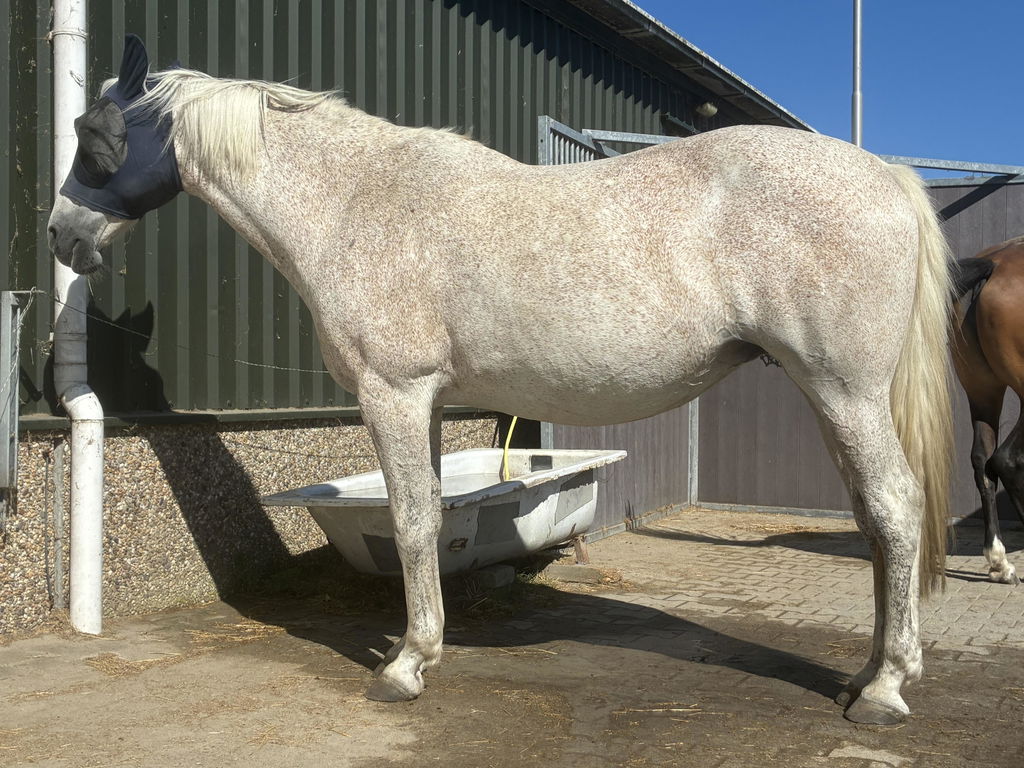

The first bright flush of spring grass can make turnout feel like a simple seasonal pleasure. For the horse, however, it is a meaningful feed change. To prepare horses for pasture well, think beyond opening the gate: assess the field, protect the transition from hay to grass, and adjust the rest of the ration with the individual horse in mind.
Pasture can provide movement, social contact, and fresh forage, but the nutritional picture changes quickly. Young grass is often more water-rich and less fibrous than mature hay, while its sugar content can vary with weather, growth stage, time of day, and management. A calm, gradual plan gives the digestive system time to adapt and helps you observe how each horse responds.
Prepare Horses for Pasture Before the Grass Takes Over
Start with the horse, not the calendar. Two horses grazing the same field may need very different management. A lean horse in regular work, a good-doer who gains weight easily, a senior horse, a youngster, and a horse on restricted turnout should not automatically receive the same grazing time.
Look at body condition, current workload, forage intake, manure consistency, behavior around feed, and any feeding plan already advised by your veterinarian or nutrition professional. Horses with a history of dietary sensitivities or those managed for metabolic concerns deserve an especially individual approach. When there is uncertainty, seek professional guidance before making a major change in grazing access.
The pasture itself also needs attention. Walk the field before turnout. Check fencing, gates, water access, footing, and shelter. Remove toxic plants, fallen branches, discarded baling twine, and other hazards. Inspect areas around troughs and gates, where mud and poaching can develop quickly once horses begin gathering there every day.
Grass growth is not uniform across a field. Short grass is not necessarily low in sugar, and a sparse paddock is not automatically a safer option for horses that need limited intake. Weather matters too. Bright, cool conditions can affect grass sugar levels differently from warm, overcast days. Rather than relying on one rule, use grazing management, observation, and professional advice to make decisions for your horse.
Keep Roughage at the Center of the Ration
A move to pasture should not mean removing conserved forage overnight. Horses are designed to eat fiber-rich forage for much of the day, and hay or haylage remains an important part of a roughage-first feeding plan, particularly during limited turnout, overnight stabling, travel, or periods when grass availability changes.
Offering suitable forage before turnout can reduce the urge to consume large amounts of grass immediately. It also keeps the daily routine more consistent while grazing time is being built up. The exact amount depends on the horse, the forage analysis where available, pasture intake, body condition, and management goal.
This is the central idea behind The New Feeding philosophy, described by Equilin founder Annette: begin with the horse’s natural forage requirement, then use the rest of the ration to fill genuine nutritional gaps. Grass may look abundant, but it does not automatically provide a balanced supply of every vitamin, mineral, amino acid, or trace element a horse needs. At the same time, adding products without reviewing the whole ration can create unnecessary overlap.
Review what is already being fed. Include pasture, hay or haylage, hard feed, balancers, treats, and any supplements. This is particularly relevant in spring, when owners sometimes keep a winter feeding program unchanged while grass intake rises. A measured ration review is more useful than adding several products because the season has changed.
Match grazing access to the individual horse
For a horse that has had little or no grass, begin with short, controlled turnout and increase it gradually over a period suited to that horse. There is no universal number of minutes that works for every situation. The right pace depends on how much grass is available, the horse’s usual forage intake, its body condition, and how it responds.
Keep the routine predictable. If turnout length is increasing, avoid making several other feed changes at the same time. That makes it easier to identify what may be influencing appetite, droppings, attitude, or condition. Consistency is often more valuable than a complicated schedule.
Some owners use a track system, strip grazing, a carefully fitted grazing muzzle, or a dry lot with provided forage to manage intake. Each option has trade-offs. Strip grazing can help control access but requires regular adjustment. Muzzles may reduce grass intake for some horses, but they must fit correctly, allow normal drinking, and be checked often for rubs or damage. A dry lot can be useful in some management plans, provided horses still have appropriate forage, water, companionship where suitable, and enrichment.
Build a Turnout Plan You Can Maintain
The best plan is one you can follow on busy weekdays as well as quiet weekends. Make grazing changes in small steps and record them. A simple note of turnout hours, hay offered, work level, body condition, and any visible changes can reveal patterns that are hard to remember several weeks later.
Monitor the horse rather than focusing only on the clock. Notice whether it rushes to grass, leaves hay untouched, changes its drinking pattern, becomes unusually unsettled, or gains condition faster than expected. Check manure daily and use regular hands-on condition assessments instead of relying on appearance beneath a thick coat. If something seems unusual or you are concerned about the horse’s comfort or wellbeing, contact your veterinarian promptly.
A pasture plan also needs room for real life. Heavy rain may close part of a field. Drought can slow grass growth. A sudden warm spell can alter grazing conditions. Competition, travel, injury-related rest, or a change in workload may mean the horse needs less or more energy than it did last month. Reassess the ration whenever one of these factors changes.
Do not forget water, salt, and minerals
Fresh, clean water should be available at all times. Pasture grass contains a lot of water, but grazing horses still need reliable access to a clean trough or automatic drinker. Check troughs daily, especially during warm weather, and make sure all horses can reach them without being driven away by a dominant field companion.
Salt remains a basic consideration. A suitable plain salt source can support normal daily intake, with individual needs influenced by sweat loss, work, weather, and the rest of the ration. Do not assume that a mineral block alone corrects every nutritional gap. The value of any balancer or targeted supplement depends on the forage, the horse’s needs, and what is already supplied.
For owners who want a clear starting point, a well-designed balancer can be a practical way to provide measured vitamins and minerals without building a large bucket feed around a horse whose calories are already coming from forage. Choose products based on the complete ration, not just a single attractive ingredient on the label.
Manage the Field for the Season Ahead
Good pasture preparation is not only about the first week of turnout. Rotating fields where possible, resting heavily used areas, removing manure, managing weeds appropriately, and avoiding overgrazing all support a more usable grazing area over the season. Local soil and grassland advice can be valuable when planning reseeding, fertilizing, or weed control.
Avoid turning horses onto a freshly treated field until the product instructions and any required waiting period have been fully followed. The same care applies to reseeded paddocks, where young plants and soft ground may not be ready for grazing or hoof traffic.
Pasture is a valuable part of horse keeping, but it works best as one part of a considered feeding system. Give grass the respect you would give any feed change: introduce it thoughtfully, keep fiber at the center, and let your horse’s condition guide the next adjustment.