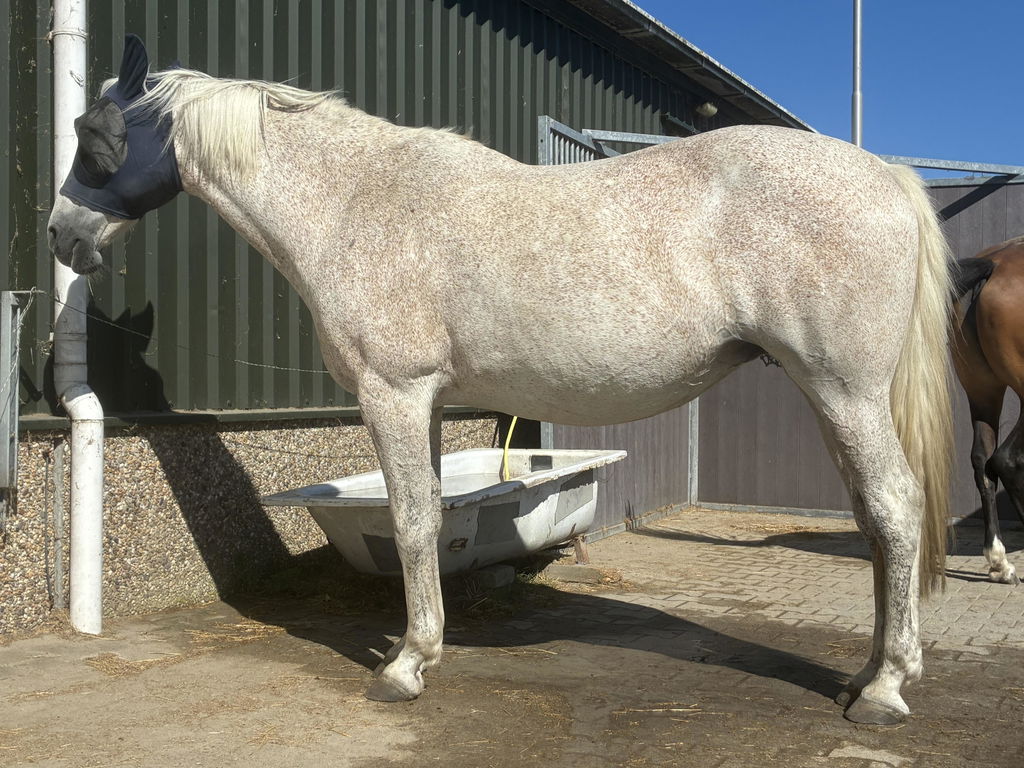

Your horse is finishing a bucket of feed, looks well enough, and still you are left wondering whether the ration is truly complete. This question comes up often in autumn, when grazing changes, hay replaces more of the pasture intake, and many owners start adding something “just in case.” Understanding horse balancer ingredients helps turn that uncertainty into a sensible feeding plan - without making the bucket the center of the ration.
A balancer is not designed to replace forage, nor should it disguise poor-quality hay with a long list of additions. Its role is much more specific: to supply concentrated vitamins, minerals, and sometimes quality protein components that may be missing from a forage-based diet. Whether a particular balancer suits your horse depends on the forage analysis, the amount fed, the horse’s workload, age, body condition, and health situation.
What should horse balancer ingredients provide?
The first place to look is not the front of the bag. It is the ingredient list, the analytical constituents, and the recommended daily amount. A small serving can be useful only if it supplies meaningful levels of the nutrients your horse needs.
For most adult horses on a forage-first ration, the foundation of a balancer is a carefully proportioned mineral and vitamin package. Calcium, phosphorus, magnesium, sodium, copper, zinc, manganese, selenium, and iodine each have different jobs in the body. The key is not simply whether they are present, but whether their levels make sense alongside the forage.
For example, many hays are relatively low in copper and zinc compared with iron. Adding more iron through a supplement is rarely the answer when the forage already contains plenty. What matters is improving the overall balance of trace minerals, rather than chasing individual numbers in isolation.
Vitamins also have a place, especially where forage has been stored for months. Vitamin E deserves particular attention for horses with little or no fresh grass, and for horses in regular work. It supports normal muscle function and antioxidant status. A balancer may also include vitamins A and D, which can be less consistently supplied by conserved forage than by fresh pasture.
Minerals must work together
A useful mineral formula respects relationships between nutrients. Calcium and phosphorus, for instance, should be considered together, particularly for young horses, breeding mares, and horses receiving feeds high in phosphorus. Copper and zinc are also closely connected in a practical ration.
This is why a generic scoop of “minerals” can be disappointing. It may contain many ingredients but still offer too little of the nutrients most likely to be missing at the amount you can realistically feed. More ingredients does not automatically mean a better balancer.
Salt is another commonly overlooked part of the picture. A balancer may contribute some sodium, but many horses also need access to plain salt, adjusted for sweat loss and total ration. A horse in light work on cool autumn days has a different requirement from a horse training intensively or sweating under a rug.
Protein quality and amino acids
Some horse balancer ingredients are included because the horse needs better-quality protein, not necessarily more calories. This distinction matters for easy keepers, horses with insulin dysregulation or EMS, and those prone to laminitis. These horses may need a diet that is controlled in sugar and starch, but they still need adequate essential amino acids.
Lysine, methionine, and threonine are often discussed because the horse cannot make enough of them to meet all needs. If hay is the main feed source and its protein quality is modest, a balancer containing well-chosen plant protein sources or added amino acids may help complete the ration without relying on a large cereal-based meal.
In my practice I often see owners reduce bucket feed appropriately for an overweight horse, then accidentally reduce the supply of essential nutrients at the same time. The result is a ration that is lower in calories but not necessarily more complete. A concentrated balancer can be practical here, provided the forage has been assessed and the serving size is adequate.
For a horse with muscle concerns, such as recurrent tying-up history or PSSM, nutrition should always be individualized with the veterinarian’s diagnosis and management plan in mind. The priority remains suitable forage, an appropriate energy source, and a fully balanced supply of nutrients. A balancer can support the ration, but it is not a substitute for investigating pain, exercise management, or an acute change in muscle function.
The carrier matters, too
The carrier is what holds the nutrient package together and makes the product possible to feed. It might include grass meal, alfalfa, linseed, yeast products, beet pulp, or another plant-based base. This is not automatically good or bad. The question is whether it fits your horse and the rest of the diet.
For a horse that gains weight easily, look carefully at the daily quantity and the sugar and starch contribution. For a horse with a sensitive digestive system or loose droppings, sudden changes, overly complicated feeding routines, and large meals can all be unhelpful. Keep changes gradual and assess the full ration rather than attributing every change to one ingredient.
Some balancers include herbs, prebiotics, or plant extracts. These can be thoughtful additions, but they should not distract from the essentials. First ask whether the product provides the core minerals, vitamins, and amino acids your horse needs at the stated daily amount. Extras are only useful when the foundation is sound.
How to read a balancer label in five minutes
Start with the feeding rate. If the recommended amount is very small, check whether the label clearly states how much copper, zinc, selenium, vitamin E, and other key nutrients are supplied per daily serving. A long ingredient list alone cannot answer that question.
Then compare the product with your horse’s forage. A forage analysis is particularly valuable for horses with EMS, PPID, previous laminitis, unexplained weight changes, breeding stock, and performance horses. It gives you a starting point for sugar and starch as well as mineral content. Without it, you can still make better choices, but you are working with broader estimates.
A mare I advised was receiving hay, a token amount of a performance mix, and two different supplements because she had begun to lose topline. Her owner was trying hard, but neither supplement was fed at its recommended rate, so the ration was supplying little useful mineral or amino acid support. We simplified the plan, focused first on forage intake and quality, and chose one balancer fed consistently. That made the ration easier to manage and easier to review.
Also consider what else is already in the bucket. Fortified feeds, mash products, electrolyte mixes, and several supplements can overlap. Selenium, iodine, and vitamin D are examples of nutrients that should not be added casually from multiple products. If your horse is unwell, in pain, has colic signs, or develops sudden changes in appetite, manure, or behavior, contact your veterinarian promptly.
A forage-first way to choose a balancer
Begin with the question: what does my forage supply, and what is genuinely missing? Then match a balancer to the horse in front of you. An elderly horse losing condition may need more than a balancer, while an easy keeper in light work may need only forage, measured minerals and vitamins, and a small carrier feed. A young horse, broodmare, or hard-working sport horse has different demands again.
This approach is at the heart of my book, The New Feeding Concept: roughage comes first, then we fill genuine gaps with purpose. It makes proper feeding clear again, especially when product labels and well-meaning advice start to feel overwhelming.
The best next step is to request personal nutritional advice, bringing your horse’s age, work level, current feeds, forage details, and any veterinary findings with you. A ration becomes much easier to improve when you can see the whole picture.